
If you’ve ever felt like your mental health journey is two steps forward, one step back—you’re not alone.
Healing isn’t linear. It doesn’t follow a straight path, and it rarely looks the same from one person to the next. Some days feel like progress. Other days feel heavy, stuck, or even like you’re moving backward.
But that doesn’t mean you’re not healing.
Progress Doesn’t Always Look the Way You Expect
We often picture healing as a steady climb—feeling better week after week. In reality, it’s much more layered than that.
Progress can look like:
Getting out of bed on a hard day
Showing up to therapy even when you don’t feel like it
Taking your medication consistently
Noticing your thoughts instead of being overwhelmed by them
Asking for help when you need it
These are not small things—they’re meaningful shifts in your nervous system, your patterns, and your capacity to cope.
The Power of Small, Consistent Steps
Healing is built through repetition and support—not perfection.
Small steps matter because they:
Create stability in your daily life
Help regulate your mind and body over time
Build confidence and resilience
Lay the foundation for deeper, long-term change
Consistency doesn’t mean doing everything perfectly. It means continuing to show up, even when it’s hard.
When You Feel Stuck, It May Be Time to Explore Additional Support
For some people, despite therapy, lifestyle changes, and medication, symptoms of depression can still linger. That can feel frustrating—and discouraging.
The important thing to remember is this: needing additional support doesn’t mean you’ve failed. It means your brain may need a different kind of intervention.
This is where alternative, evidence-based options can play an important role.
A Different Path: NeuroStar TMS Therapy
NeuroStar Transcranial Magnetic Stimulation (TMS) is an FDA-cleared, non-drug treatment for depression, especially for individuals who haven’t found relief with traditional approaches.
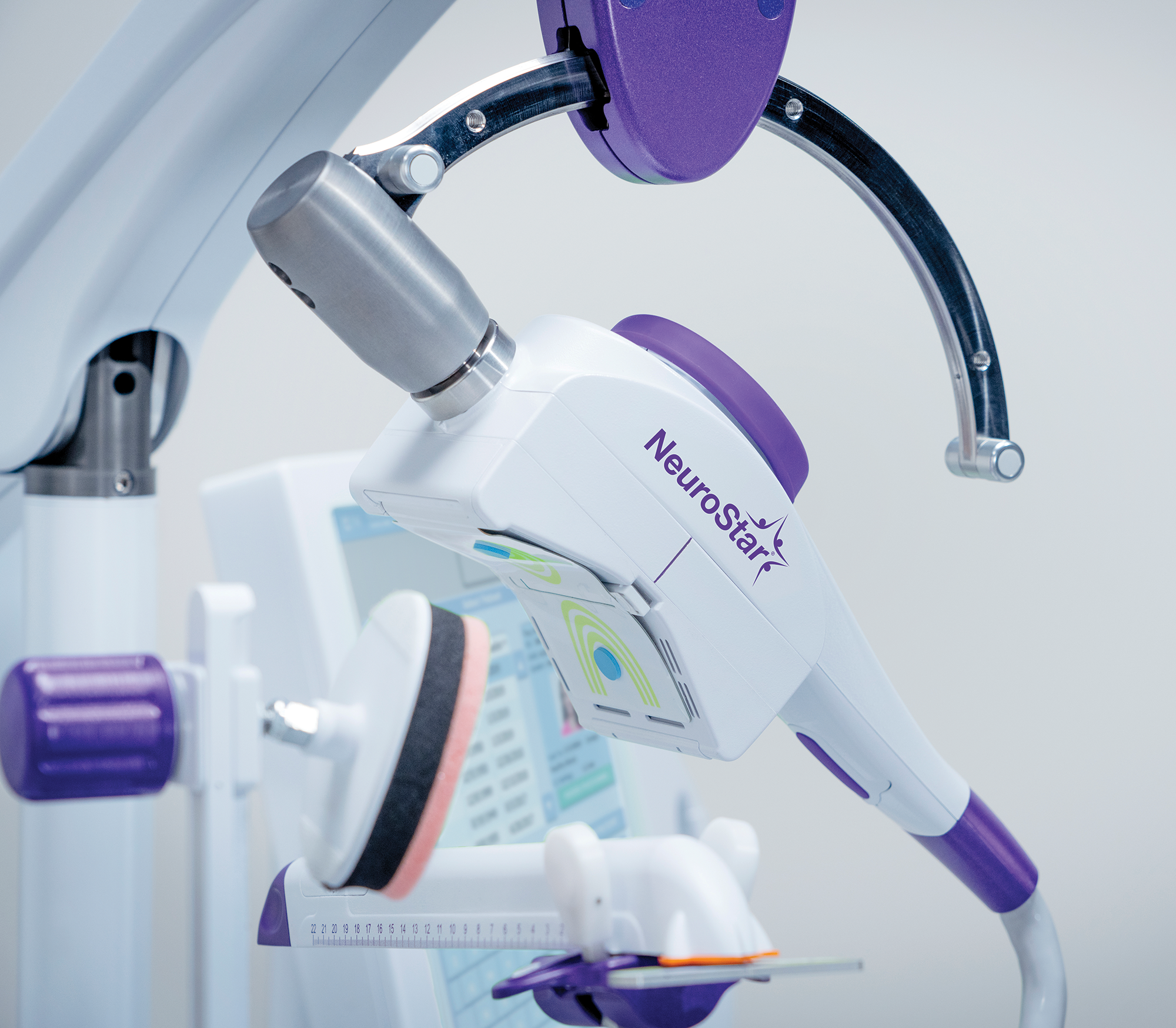
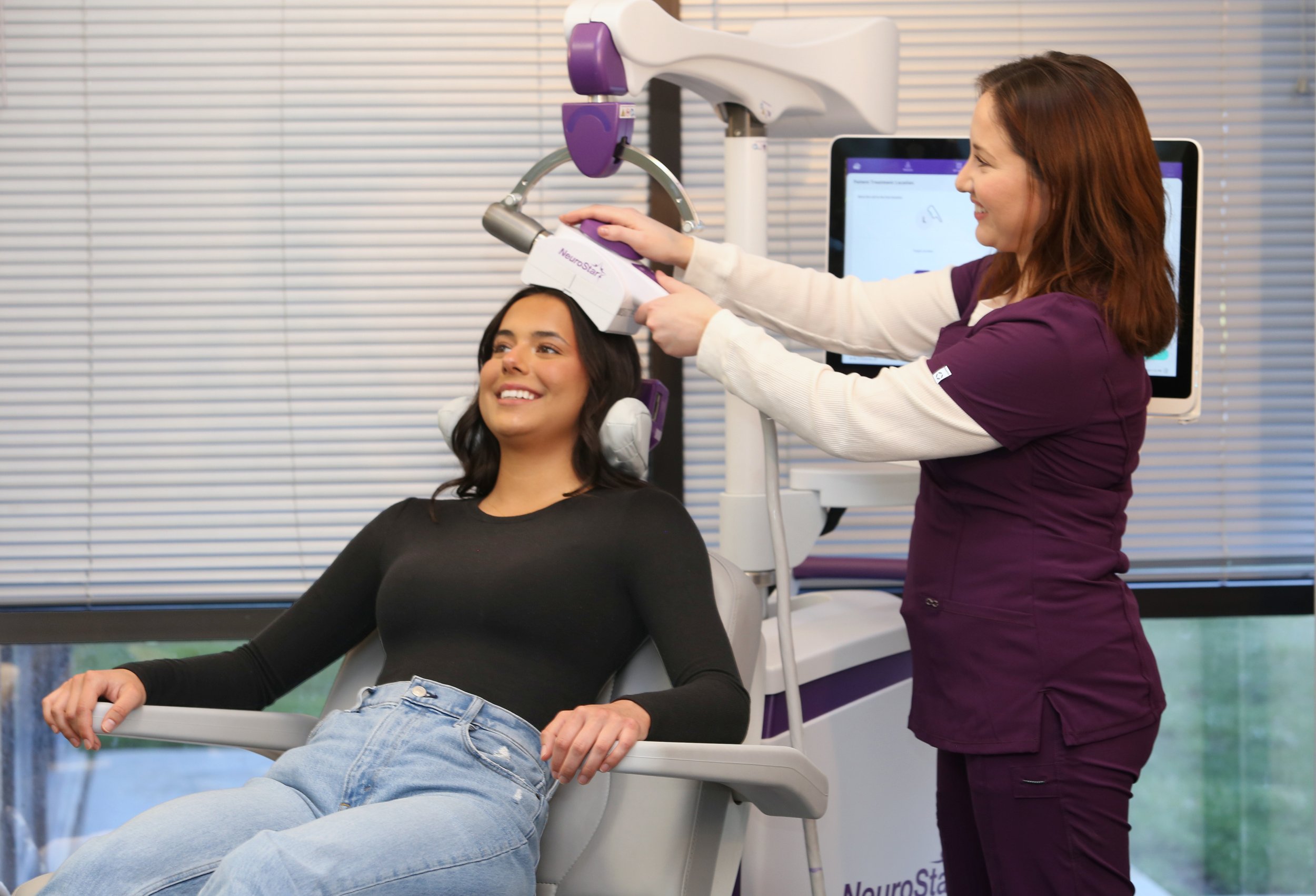
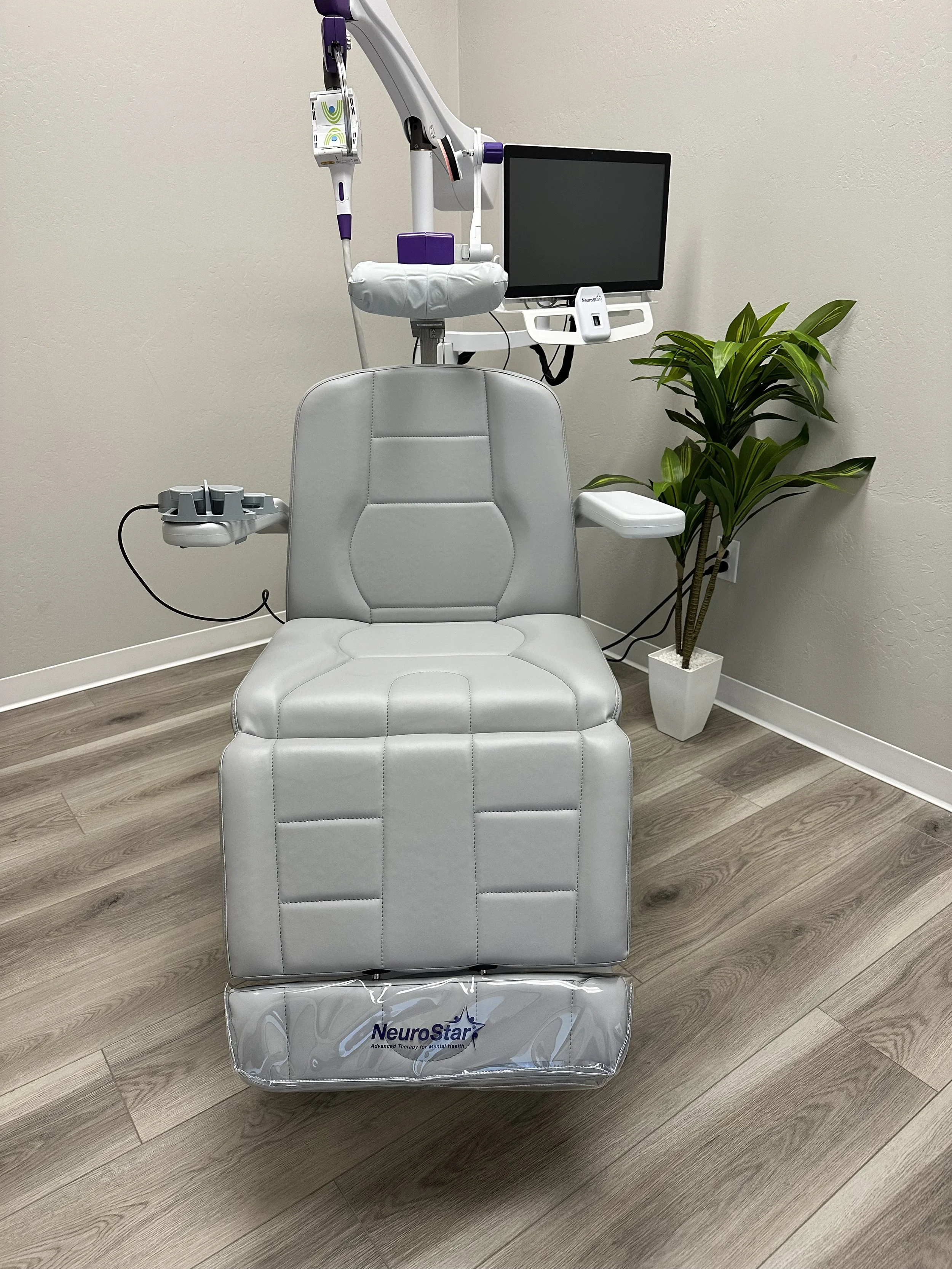
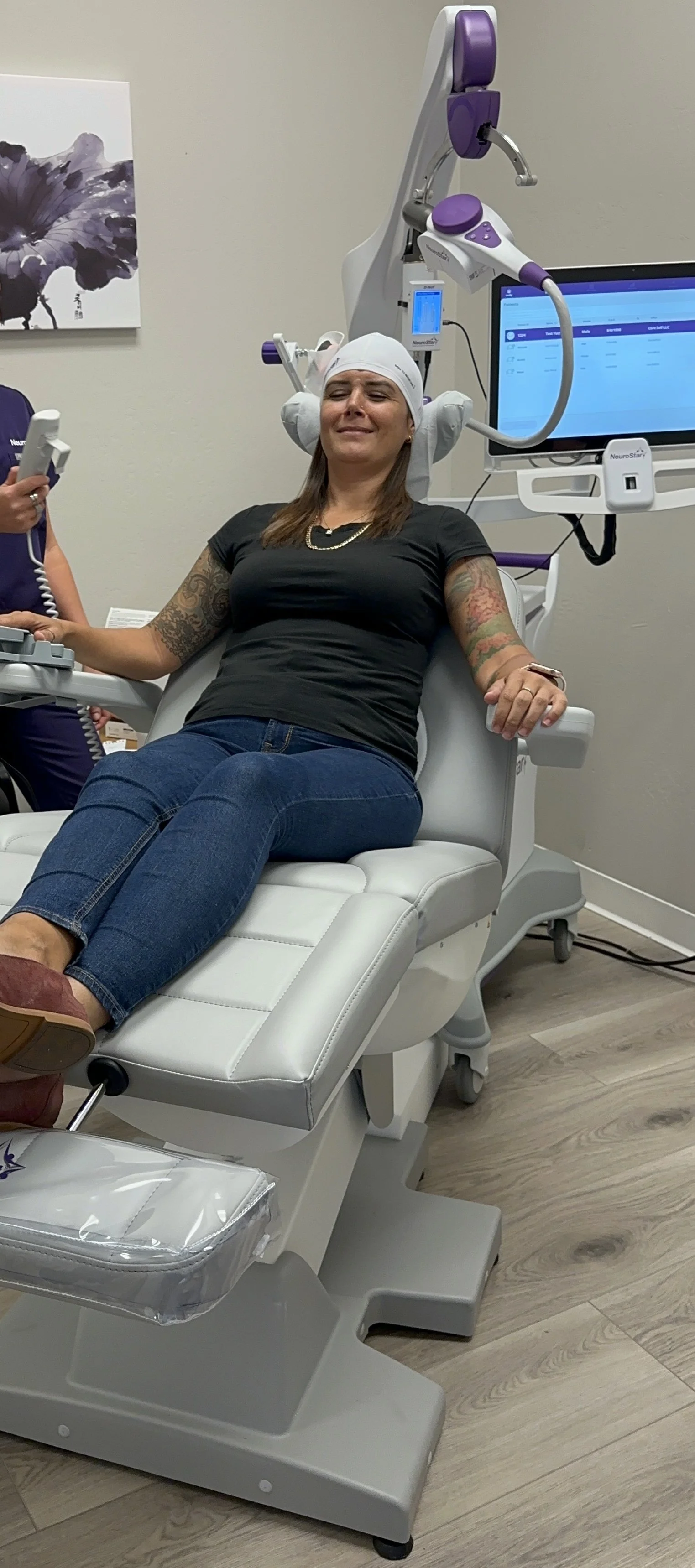
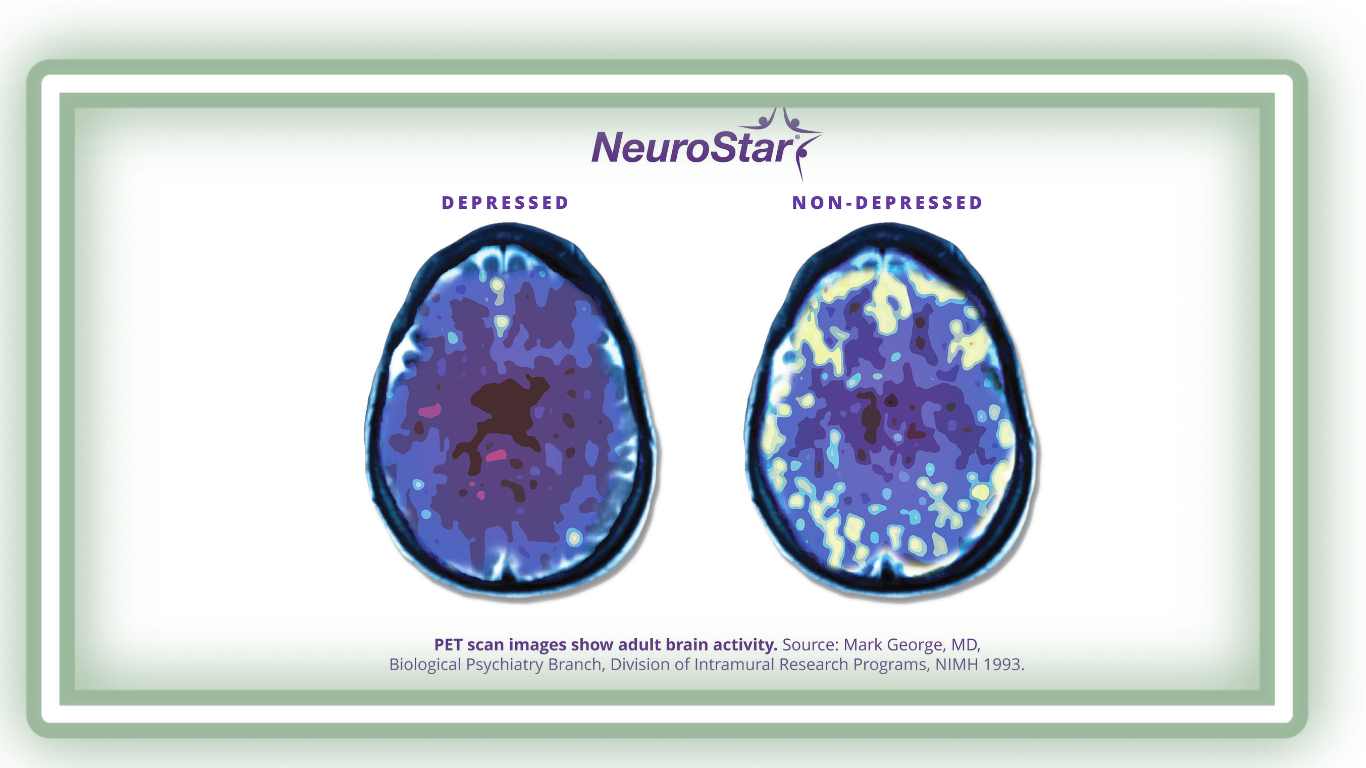
TMS works by gently stimulating specific areas of the brain involved in mood regulation. It’s:
Non-invasive
Medication-free
Performed in-office
Designed to work alongside your existing mental health care
For many, it offers another path forward—especially when it feels like nothing else has worked.
You Don’t Have to Do This Alone
Healing happens in connection—with the right support, the right tools, and the right timing.
At Core Self, we believe in meeting you where you are. Whether you’re just starting your mental health journey or exploring new treatment options, you deserve care that is personalized, compassionate, and rooted in real understanding.
Your Next Step
If you’ve been feeling stuck, overwhelmed, or unsure of what to try next, this could be a good time to check in with yourself.
You don’t need to have all the answers—you just need a place to start.
Schedule a consultation to learn more about your treatment options, including NeuroStar TMS therapy, and take the next step toward feeling like yourself again.
