
ADHD in Adults: Signs You Might Have It and What to Do Next in Gilbert

Anxiety vs. Depression: How to Tell the Difference and Find Help in Gilbert

OCD Treatment in Gilbert: What to Look for in a Therapist and What to Expect

Pharmacogenomic Testing in Gilbert, AZ: How Your DNA Can Guide Mental Health Medication

PTSD Treatment in Gilbert, AZ: How Trauma-Informed Therapy Can Help

SPRAVATO® Treatment in Gilbert, AZ: What It Is, How It Works, and Who Qualifies

TMS Therapy in Gilbert: A Non-Medication Option for Treatment-Resistant Depression

What to Expect From Mental Health Treatment in Gilbert, AZ

When Antidepressants Stop Working: A Gilbert Guide to Treatment-Resistant Depression
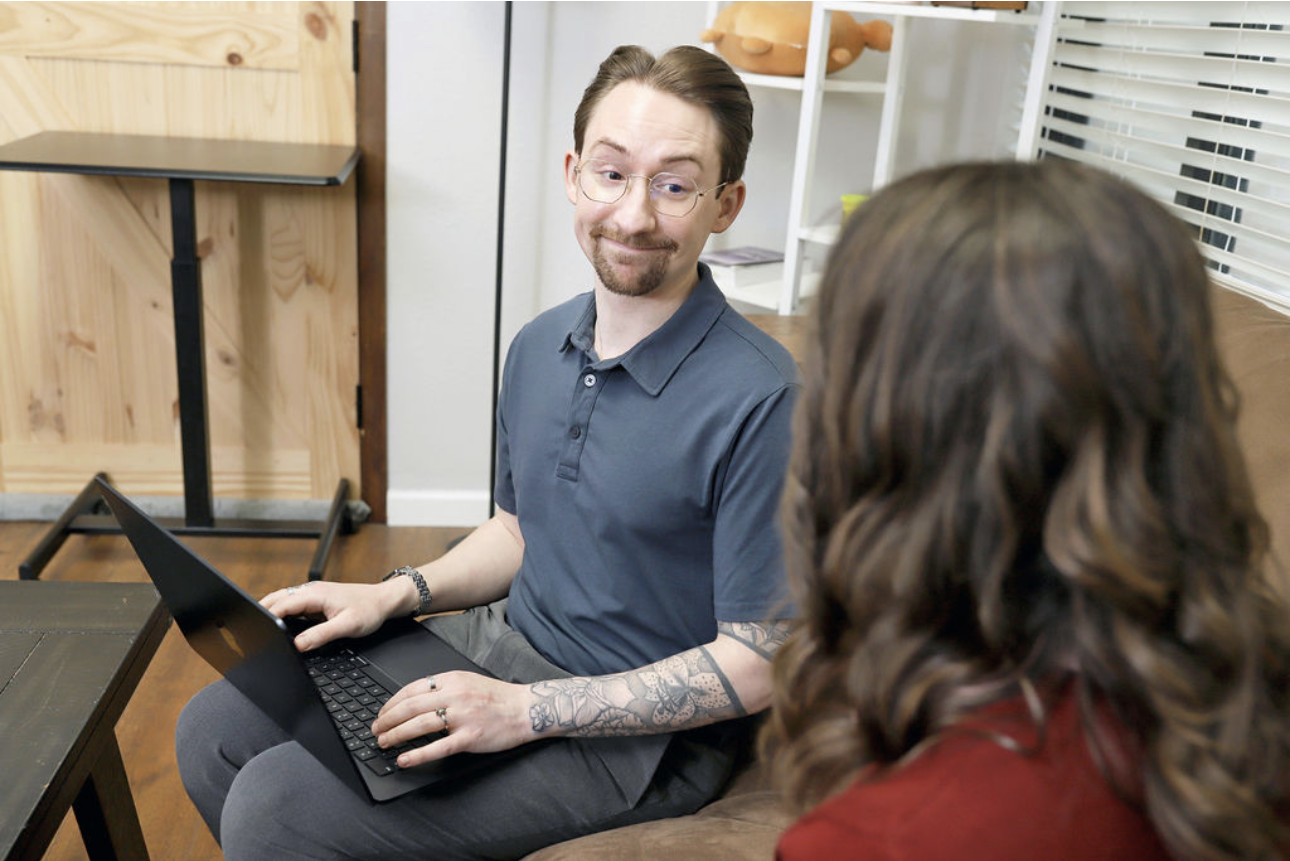
How Do Psychiatric Medications Work? A Guide to Antidepressants, Mood Stabilizers, and ADHD Medications
Understand the mood spectrum, depression, and bipolar disorder. Learn when to seek psychiatric care in Gilbert, Chandler, and Scottsdale, AZ.

Understanding the Mood Spectrum: When Is It More Than Stress or Sadness?
Learn how the mood spectrum relates to depression and bipolar disorder. Get expert psychiatric care in Gilbert, Chandler, and Scottsdale, AZ.

Healing Isn’t Linear: Why Small Steps Still Matter
healing-isnt-linear-why-small-steps-still-matter, get support in Gilbert and Chandler AZ.
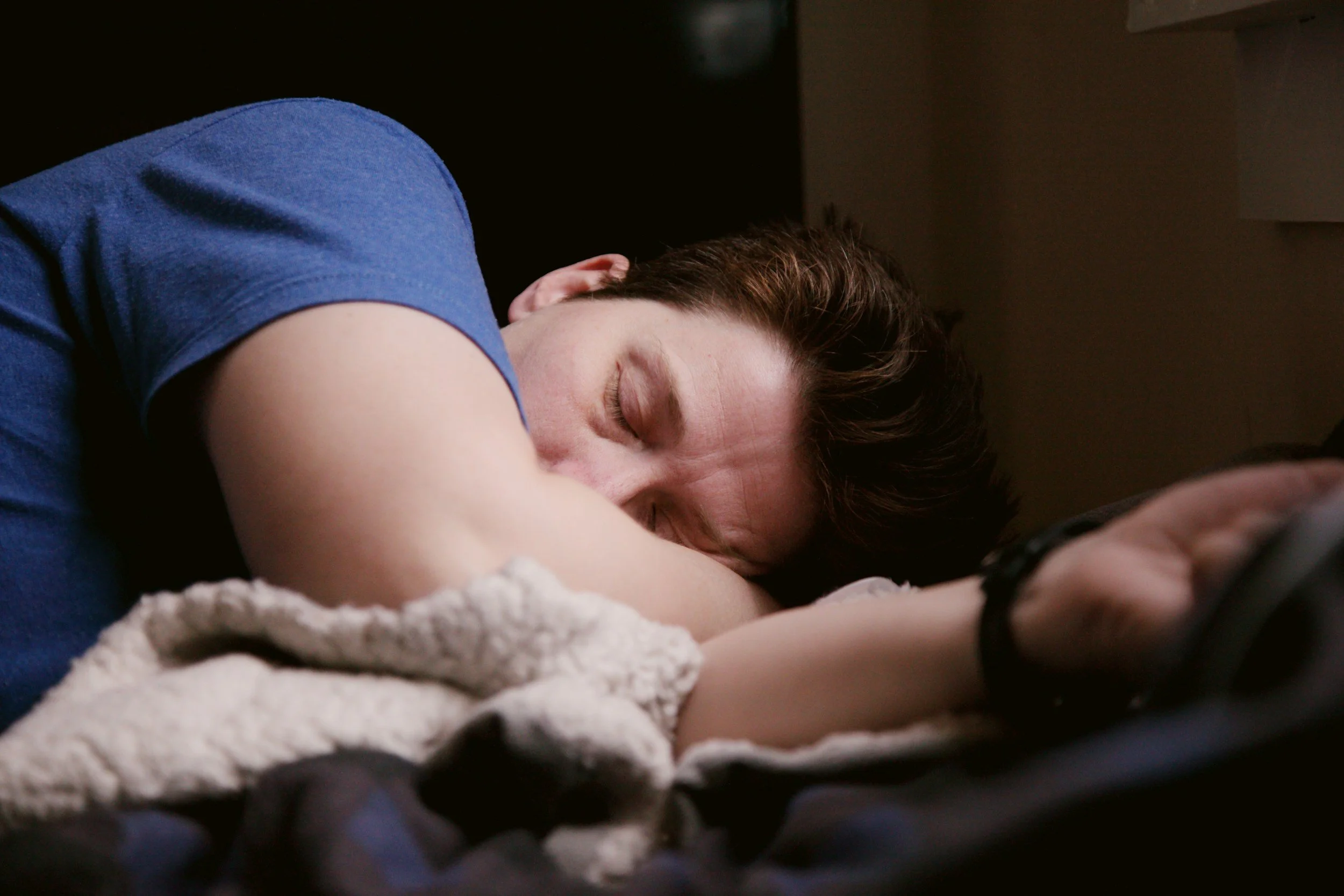
When Sleep Doesn’t Reset You: Understanding the Deeper Mind–Sleep Connection
For a lot of people, sleep struggles aren’t just about routines or screen time. You can do all the “right things”—go to bed early, avoid caffeine, keep a consistent schedule—and still feel like your brain never truly powers down.
If your sleep hasn’t improved despite your efforts, it might be time to look at the bigger picture.
We’re here to help you explore your options—including whether TMS could be a good fit for you.
👉 Schedule a consultation to learn more.
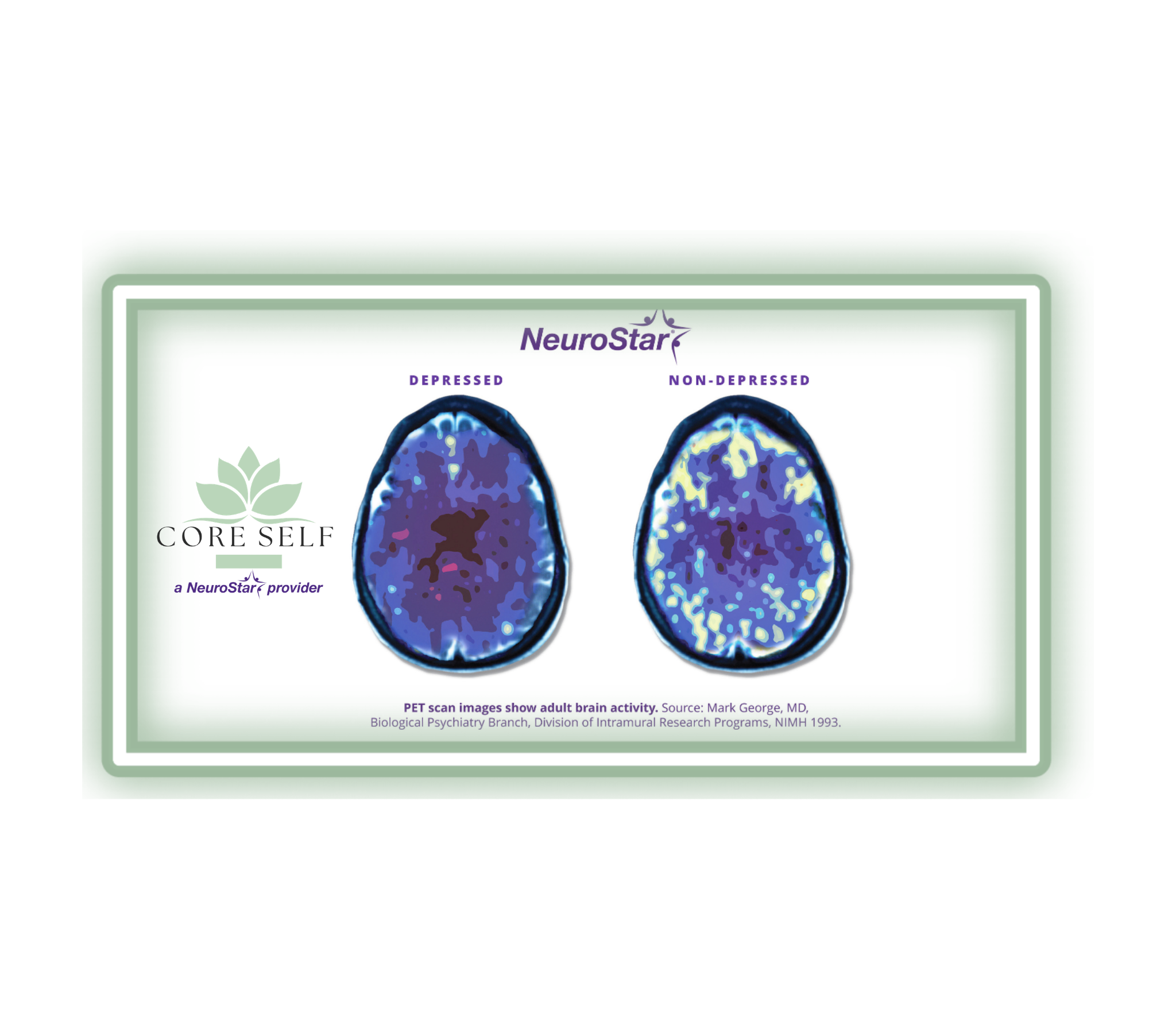
TMS Therapy: A Breakthrough Treatment for Depression at Core Self

Spring Reset: A Fresh Start for Your Mental Health
You Don’t Have to Stay Stuck. Spring is a reminder that change doesn’t have to be overwhelming—it can start with one small step. For individuals who feel like they’ve tried “all the things” and are still struggling, there are effective, evidence-based options available.
One of these is NeuroStar Transcranial Magnetic Stimulation (TMS)—a non-invasive, medication-free treatment for depression.
From Surviving to Thriving: How Core Self Helps You Rebuild from the Inside Out
At Core Self, we believe healing isn’t about “fixing” what’s broken. It’s about remembering who you were before life required you to protect yourself so fiercely. It’s about reconnecting to the core self — the calm, compassionate, and wise part of you that has always been there, waiting to be seen.

The Holidays Are Hard—But They Don’t Have to Be
At Core Self, we understand how overwhelming it can feel when depression makes even simple things—like decorating the tree or joining family gatherings—feel impossible. The good news? Depression is treatable, even when medications or therapy alone haven’t worked.

Supporting Teens with Anxiety and ADHD in a High-Pressure World Core Self Gilbert, AZ
Parental guidance aimed at transforming family dynamics from conflict to meaningful connection and understanding. Children experiencing anxiety and ADHD often display frustration and mood dysregulation. The most effective support parents can offer is maintaining their own emotional regulation, prioritizing connection, and establishing healthy boundaries.
Nutritional Support for ADHD: A Holistic Approach at Core Self
If you or a loved one is navigating ADHD and looking for alternatives to medication, you don’t have to go it alone. At Core Self, we offer compassionate, whole-person care that honors your goals and supports your unique brain. Nutritional treatment plans are just one part of the powerful, integrative support we provide.
Ketamine Treatments for Depression: What You Need to Know
Spravato is FDA-approved specifically for adults with treatment-resistant depression. Spravato is often covered by insurance, including major commercial plans because of its FDA approval. Treatment resistant depression means that you have tried 2 medications and still have moderate to severe symptoms of depression. These symptoms are feeling sad, loss of interest, low energy, issues with sleep, persistent guilt over things, restlessness, focus concerns, or suicidal ideations.