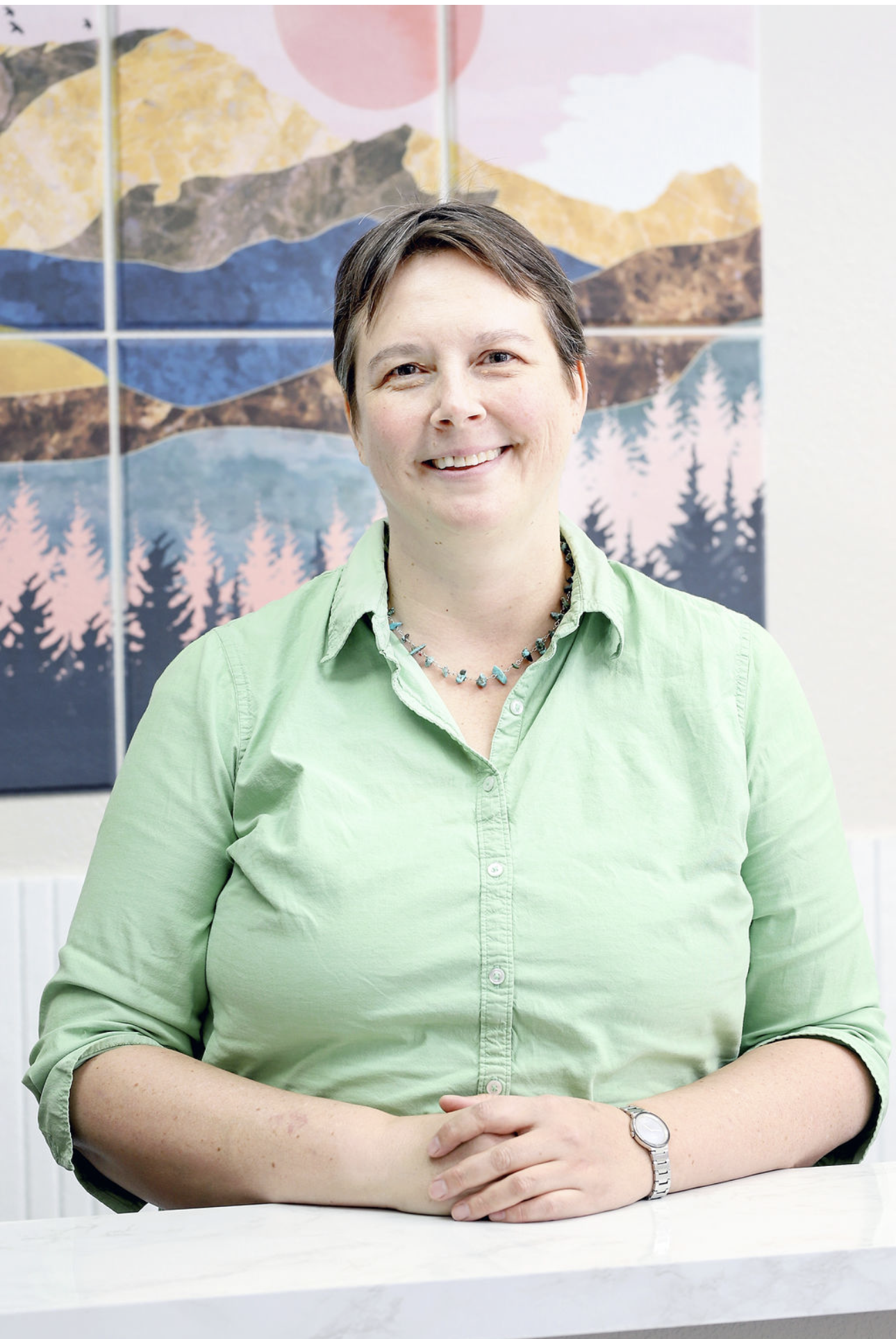
Meet Juliana Stravers, LPC
Trauma-informed therapist providing EMDR and individualized therapy for children, teens, and adults.
Juliana Stravers is a Licensed Professional Counselor (LPC) who approaches therapy with both creativity and practicality, integrating neuroscience, spirituality, trauma-informed care, and real-world skill building to help clients understand themselves, heal from difficult experiences, and create meaningful change.
Juliana has advanced training and experience supporting survivors of childhood neglect, abuse, generational trauma, and other traumatic experiences. She has also worked with behavioral health professionals and combat veterans who have experienced trauma and high levels of occupational stress.
As an EMDR-trained therapist, Juliana provides trauma-informed therapy for adults, adolescents, and children as young as age 5.
Her work is grounded in safety, respect, privacy, and honesty. She understands that sharing painful experiences requires tremendous trust and believes therapy should be a place where clients can feel heard without judgment or pressure.
Juliana feels deeply honored when clients trust her with the parts of their stories that may have been difficult to share elsewhere. Even more importantly, she loves witnessing what can happen next: healing, resilience, reconnection, and joy.
Her approach recognizes that healing isn't simply about talking about what happened. It's also about understanding how experiences have impacted the brain, body, beliefs, relationships, and nervous system, then developing tools to move forward.
Outside of the therapy room, Juliana loves diving into science and history podcasts, tackling projects with power tools, and trying, mostly unsuccessfully, to boss around her two fur-children.
Trauma Therapy, EMDR & Mental Health Counseling with Juliana Stravers, LPC
Sometimes you understand exactly why you feel the way you do, but knowing why hasn't been enough to change it.
Other times, you can't quite explain what's wrong.
You may feel anxious, overwhelmed, disconnected, constantly on guard, stuck in the same relationship patterns, or frustrated that experiences from years ago still seem to affect the way you feel today.
For children, those struggles may look completely different: big emotions, behavioral changes, anxiety, difficulty sleeping, shutting down, trouble at school, or reactions that seem much bigger than the situation.
Therapy can help you understand what's underneath those reactions and build a different way forward.
Juliana Stravers, LPC provides trauma-informed therapy for children ages 5+, adolescents, and adults at Core Self.
Areas Juliana Can Help With
Juliana works with clients experiencing concerns such as:
Trauma and PTSD
Childhood trauma
Childhood neglect or abuse
Generational and family trauma
Anxiety and chronic worry
Stress and overwhelm
Emotional regulation difficulties
Relationship and attachment concerns
Grief and difficult life experiences
Low self-worth and negative beliefs
Burnout and compassion fatigue
Occupational trauma
Behavioral and emotional concerns in children
Difficulties related to past experiences that continue affecting everyday life
You don't need to know exactly what your diagnosis is or have the perfect words to explain what's wrong before beginning therapy.
Sometimes figuring that out is part of the work.
Trauma-Informed Therapy
Trauma isn't defined only by what happened.
It can also be about what happened inside of you as a result.
Past experiences can change the way we respond to stress, relationships, conflict, uncertainty, and even seemingly ordinary situations.
For some people, trauma is connected to one identifiable experience. For others, it developed over years through neglect, abuse, instability, difficult relationships, chronic stress, or experiences in childhood.
Juliana's trauma-informed approach creates space to understand those experiences without defining you by them.
Therapy is grounded in safety, respect, choice, privacy, honesty, and collaboration.
Healing doesn't require being pushed into painful memories before you're ready.
EMDR Therapy
Juliana is trained in Eye Movement Desensitization and Reprocessing (EMDR), an evidence-based psychotherapy approach commonly used in the treatment of trauma and PTSD.
EMDR is designed to help the brain process distressing memories and experiences that continue to feel emotionally "stuck."
Rather than simply talking through the same experience over and over, EMDR uses structured techniques and bilateral stimulation as part of helping the brain reprocess distressing experiences.
EMDR may be incorporated into therapy when clinically appropriate and when both Juliana and the client determine it is a good fit for treatment.
The goal isn't to erase what happened.
It's to help what happened stop having the same power over your life today.
Childhood Trauma & Generational Trauma
Sometimes patterns begin long before we recognize them.
Growing up with neglect, abuse, instability, emotionally unavailable caregivers, family conflict, or other difficult experiences can influence how we learn to view ourselves, relationships, safety, and the world around us.
Those experiences can continue affecting adult life through anxiety, perfectionism, people-pleasing, difficulty setting boundaries, relationship patterns, emotional disconnection, or the feeling that you always have to be prepared for something to go wrong.
Juliana has advanced training and experience working with survivors of neglect, abuse, and generational trauma.
Therapy can help you understand where those patterns began while developing new ways to respond to yourself and the people around you.
Understanding where a pattern came from doesn't mean you have to keep carrying it.
Therapy for Children
Children don't always have the words to explain what's happening inside of them.
Stress and emotional difficulties may instead appear through changes in behavior, big emotions, withdrawal, anxiety, sleep difficulties, irritability, school struggles, or trouble managing frustration.
Juliana provides developmentally appropriate therapy for children ages 5 and older.
Her work combines creativity, emotional skill building, neuroscience-informed approaches, and trauma-informed care to help children better understand and manage their emotions.
Parents and caregivers may also be included in treatment when appropriate so that the skills developed in therapy can be supported at home.
Therapy for Teens
Adolescence can already feel complicated.
Add anxiety, family stress, difficult relationships, academic pressure, trauma, identity development, or overwhelming emotions, and teens can easily begin to feel like no one truly understands what they're experiencing.
Therapy gives teens a confidential and supportive place to talk honestly while learning skills they can actually use outside the therapy room.
Juliana works with teens to strengthen emotional regulation, coping skills, self-awareness, resilience, boundaries, and confidence.
Therapy for Adults
Sometimes adults seek therapy because something has happened.
Sometimes they seek therapy because something keeps happening.
The same relationship patterns.
The same overwhelming reactions.
The same anxiety.
The same voice saying you're not enough.
The same feeling that you should be able to handle everything on your own.
Juliana helps adults explore what's underneath these patterns while developing practical strategies for changing them.
Her approach combines insight with action.
Therapy isn't only about understanding yourself better. It's about using that understanding to create a life that feels different.
Therapy for Behavioral Health Professionals & Veterans
The people who help everyone else sometimes have the hardest time asking for help themselves.
Juliana has experience supporting behavioral health professionals and combat veterans, including individuals exposed to trauma, chronic stress, compassion fatigue, and emotionally demanding environments.
Therapy provides a confidential space where you don't have to be the provider, helper, strong one, or person who has everything under control.
You get to simply be a person who deserves support too.
A Different Approach to Therapy
Juliana's approach brings together several important perspectives:
Neuroscience. Understanding how the brain and nervous system influence emotions, behavior, and trauma responses.
Practical skills. Developing tools you can actually use outside the therapy room.
Trauma-informed care. Understanding how past experiences may influence current symptoms without defining someone by those experiences.
Creativity. Recognizing that therapy doesn't have to look exactly the same for every person.
Spirituality. Making room for meaning, values, beliefs, and spirituality when they are important to the client.
Collaboration. You are not simply receiving therapy. You and Juliana are working together toward goals that matter to you.
What to Expect in Therapy
Your first appointments are about allowing Juliana to get to know you and giving you the opportunity to decide whether she feels like the right therapist for you.
You'll talk about what's bringing you to therapy, what's happening in your life right now, your history, what you've tried before, and what you hope will be different.
From there, you and Juliana will develop an individualized approach to treatment.
Depending on your needs, therapy may incorporate:
Trauma-informed psychotherapy
EMDR
Neuroscience-informed education
Emotional regulation skills
Grounding and coping strategies
Exploration of relationship or family patterns
Mind-body awareness
Spirituality or meaning when personally relevant
Practical strategies to support change outside of therapy
Treatment evolves as you do.
You Don't Have to Tell Your Whole Story on Day One
Starting therapy can feel vulnerable, particularly when the things you need help with are also the things that are hardest to talk about.
You don't have to arrive knowing exactly what to say.
You don't have to share everything at your first appointment.
And you don't have to relive every painful experience in order to begin healing.
Juliana's first priority is creating a relationship where you feel safe enough to do the work when you're ready.
Healing isn't about forgetting your story. It's about reaching a point where your story no longer controls what happens next.
Ready to Begin?
If you or your child is struggling with trauma, anxiety, overwhelming emotions, difficult experiences, or patterns that feel impossible to change, you don't have to navigate it alone.
Schedule a therapy appointment with Juliana Stravers, LPC at Core Self.